NW8 Studio Cleaning Checklist for St Johns Wood Residents
If you live in a compact NW8 studio, you already know how quickly clutter, dust, and everyday living can pile up. One minute the place feels tidy; the next, the kitchen splashback is looking a bit tired, the bathroom mirror has spots, and the only flat surface seems to be doing triple duty. This NW8 studio cleaning checklist for St Johns Wood residents is designed to make the process feel manageable, not overwhelming. It covers the rooms, routines, products, and priorities that matter most in a smaller London home, with a focus on practical results rather than perfection for perfection's sake.
Whether you are a busy professional near St Johns Wood Station, a tenant preparing for a move, or a homeowner who simply wants a better system, the right checklist saves time and reduces stress. It also helps you avoid the usual mistakes that happen in studios: skipping hidden dust spots, overusing products in tight spaces, or cleaning in the wrong order and undoing your own effort. Let's get into it properly.
- Why this checklist matters in NW8
- How the studio cleaning process works
- Key benefits and practical advantages
- Who needs this and when it makes sense
- Step-by-step cleaning guidance
- Expert tips for better results
- Common mistakes to avoid
- Tools, resources, and recommendations
- Law, compliance, standards, and best practice
- Options, methods, and comparison
- Case study or real-world example
- Practical checklist
- Conclusion
- Frequently asked questions
Why NW8 studio cleaning checklist for St Johns Wood residents Matters
Studios in St Johns Wood and the wider NW8 area often need a more deliberate cleaning approach than larger homes. That sounds obvious, but it catches people out. In a smaller space, dirt is more noticeable, air can feel stale faster, and one neglected corner tends to affect the whole room. A kettle splash near the hob, a bit of lint behind the sofa bed, or dust on skirting boards can make the entire studio feel less fresh than it really is.
There is also the practical side. Many NW8 residents juggle long commutes, hybrid working, shared amenities, guest visits, or tenancy inspections. A clear checklist helps you stay ahead of mess instead of reacting to it when it is already bothering you. To be fair, that is half the battle in London living: keeping things under control before they start nagging at you every time you walk through the door.
For tenants, landlords and letting agents usually expect a reasonably clean standard when move-out day arrives. For owner-occupiers, the goal may be simpler: a healthier, calmer space that feels good to come home to. Either way, consistency matters more than occasional heroic effort. You do not need to deep-clean every inch every week. You need the right rhythm.
How NW8 studio cleaning checklist for St Johns Wood residents Works
The simplest way to think about a studio cleaning checklist is this: start high, work down, and clean from dry to wet where possible. That keeps dust from falling onto freshly wiped surfaces and stops you from doubling back too often. It is a small thing, but it makes the whole job smoother.
A good NW8 studio cleaning routine usually breaks into four parts:
- Declutter first. Put away clothes, dishes, papers, and anything that does not belong in the room.
- Dust and vacuum. Focus on visible dust, corners, behind furniture, and often-forgotten spots like shelves and light switches.
- Clean key touchpoints. Wipe handles, remotes, taps, switches, worktops, and bathroom fixtures.
- Finish with floors and scent. Vacuum, mop where suitable, and air the room properly.
In a studio, this flow matters even more because the sleeping area, living area, and often a kitchenette all sit very close together. One crumb near the bed can end up under the desk chair. One greasy splash can make the whole kitchen look dated. You notice these things more in close quarters, especially in the evening when the light is low and everything feels a touch more visible.
A solid checklist also helps you decide what is daily, what is weekly, and what is monthly. That distinction stops you from trying to do everything all at once, which, let's face it, is how many cleaning plans fall apart by Tuesday.
Key Benefits and Practical Advantages
The obvious benefit is a cleaner studio. But the real value is broader than that.
1. Better use of limited space. In NW8 studios, storage is often tight. Cleaning and organising go hand in hand because clutter is more difficult to ignore when your square footage is modest.
2. Less stress before inspections or guests. A maintained flat is much easier to bring up to scratch quickly. You are not starting from zero every time someone is due round.
3. Improved hygiene in high-touch areas. Door handles, taps, switches, and remote controls collect grime faster than people think. In a small home, those touches add up.
4. Longer life for furnishings and fixtures. Regular cleaning helps preserve worktops, floors, soft furnishings, and appliances. That is especially relevant if you rent and want to avoid unnecessary wear.
5. A more restful atmosphere. Truth be told, a tidy studio just feels easier to live in. You sleep better, work better, and think a bit more clearly when the room is not quietly demanding your attention.
For many residents, the biggest advantage is simply control. London life can be busy and a little noisy. Coming home to a studio that feels fresh and orderly gives you a small but meaningful reset.
Who This Is For and When It Makes Sense
This checklist is useful for a few different types of residents, and not only those who like a spotless flat. If any of the following sound familiar, it will probably help:
- Tenants preparing for a mid-tenancy tidy-up, a move-out, or an inspection.
- Owner-occupiers who want a simple routine that keeps a small home presentable.
- Busy professionals who only have short windows of time for household jobs.
- Students or first-time renters who are learning what a proper studio reset actually looks like.
- Hosts and short-let residents who need the place guest-ready without wasting the whole day on chores.
It also makes sense after life events that leave a flat looking a bit neglected: illness, travel, a busy work period, or a stretch of wet weather when shoes, coats, and general street dirt seem to follow you indoors. That kind of thing happens. No judgement.
If you have pets, cook often, or work from home, the checklist becomes even more useful because the room is getting used all day. A studio is not a place where mess can hide for long. It shows up quickly, usually at the worst time.
Step-by-Step Guidance
Below is a practical, room-by-room way to clean an NW8 studio without missing the bits that matter most. You do not need fancy gear, just a sensible order and a little discipline.
1. Open windows and clear the floor
Start by letting in fresh air. Even ten minutes helps. Then remove anything that is on the floor but does not belong there: laundry, shoes, bags, cables, boxes, recycling. The less you have underfoot, the faster the rest goes.
2. Strip the bed and refresh soft furnishings
If your bed doubles as a sofa, treat it as both. Shake out throws, straighten cushions, and wash bedding according to the label. If the mattress has visible marks or odour, note that for deeper attention later. Soft furnishings absorb smells faster than most people realise, especially in a compact room.
3. Tackle dust from top to bottom
Wipe shelves, window ledges, picture frames, lamps, and the tops of wardrobes or storage units. Work from higher surfaces to lower ones so dust falls where you can collect it later. In a studio, this is often the difference between a surface that looks clean and one that actually is.
4. Clean the kitchenette carefully
This is where most studio cleaning effort pays off. Wipe the hob, splashback, sink, worktop, cupboard handles, and outside of appliances. Clear crumbs from under the toaster. Check the fridge door seals. If your kitchen area is tiny, every smear seems magnified under natural light, especially on a bright morning.
For a more thorough kitchen reset, some residents pair the checklist with oven cleaning when grease and burnt residue have built up, or deep cleaning if the whole studio needs more than the usual weekly tidy.
5. Refresh the bathroom or shower room
In a studio, bathroom grime can travel visually into the rest of the property. Clean the sink, taps, toilet, shower screen, tiles, and mirror. Rinse soap residue properly. If you leave hard water marks too long, they become one of those little irritations that is harder to deal with later.
6. Vacuum thoroughly and clean the floor edges
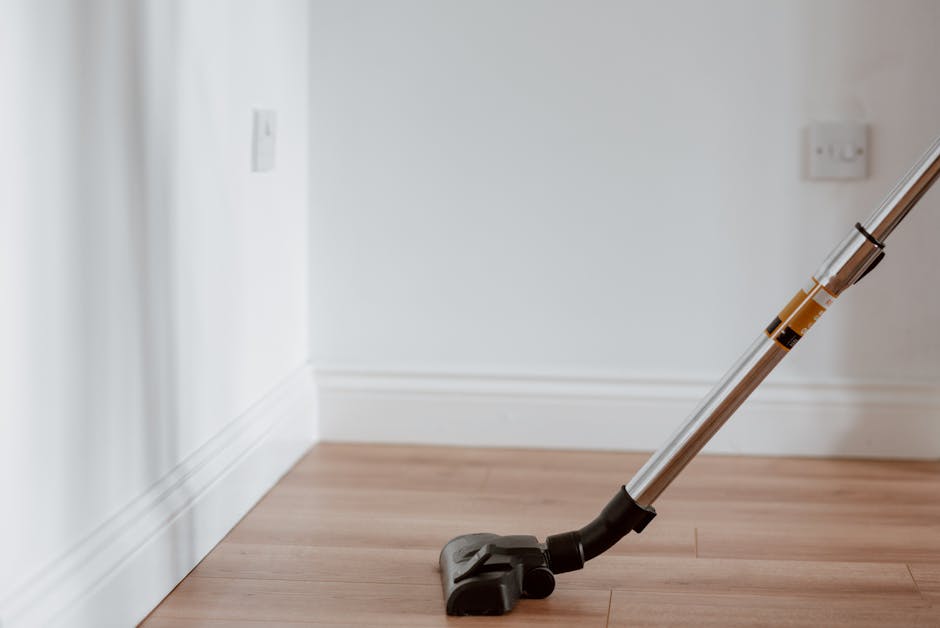
Vacuum carpets, rugs, and corners. Move lightweight furniture if you can do so safely. If you have a hard floor, sweep or vacuum first, then mop with a suitable cleaner. Do not soak the floor. That is one of those small mistakes that causes more annoyance than it should.
7. Finish with touchpoints and final checks
Wipe light switches, door handles, remote controls, and any surfaces you touch often. Then step back. What still catches your eye? Usually it is one mirror, one line of dust, or one stubborn smudge. That last five percent is often what makes the whole room feel properly done.
Expert Tips for Better Results
A few small habits make studio cleaning much easier over time. These are the sorts of things people learn after a few too many rushed weekends.
- Keep one caddy or basket of essentials. If your spray, cloths, gloves, and wipes are all in one place, you waste less time looking for them.
- Use microfibre cloths. They pick up fine dust well and are useful on most hard surfaces.
- Clean the sink after using it. In a small flat, even a quick rinse and wipe stops limescale and water spots from building up.
- Leave shoes at the door. Sounds simple, but it cuts down on street dirt a lot, especially in wet weather.
- Pay attention to smells, not just visible dirt. A studio can look neat and still feel stale. Open windows, empty bins regularly, and check fabrics.
- Do a 10-minute reset nightly. If you spend a few minutes each evening putting the room back to a baseline, weekends become much easier.
One useful trick is to clean in short bursts rather than waiting for a grand motivation moment. That moment is unreliable. The 10-minute window after dinner, however, tends to show up most evenings if you let it.
Also, do not overdo product use. More spray does not equal more clean. It often just means streaks, residue, and extra wiping.
Common Mistakes to Avoid
People usually do not get studio cleaning wrong because they are lazy. They get it wrong because the space is small, the tasks feel endless, and the order is not clear. Here are the traps worth avoiding.
- Starting with floors first. You end up re-cleaning them after dust and crumbs fall from above.
- Ignoring hidden areas. Behind bins, under beds, around radiator edges, and inside cupboard corners all matter in a small home.
- Using the wrong product on delicate finishes. Some surfaces need gentler treatment, especially polished materials or screens.
- Cleaning around clutter instead of removing it. This only makes the room look tidier for a moment. Then the clutter comes back.
- Forgetting ventilation. A fresh smell matters, but stale air and damp can linger if the window never opens.
- Trying to deep-clean everything at once. That is the fast track to giving up halfway through.
A common one in studios is skipping the mattress, sofa, or curtains because they seem "soft" and therefore less urgent. Yet those are often the very things that hold onto odours and dust. Not dramatic, just true.
Tools, Resources and Recommendations
You do not need a cupboard full of specialist kit. A sensible studio cleaning setup is usually enough. Here is a practical baseline:
| Tool or item | Best use | Why it helps in a studio |
|---|---|---|
| Microfibre cloths | Dusting and wiping hard surfaces | Reusable, effective, and good for quick touch-ups |
| Vacuum cleaner with attachments | Floors, edges, upholstery, corners | Useful where space is tight and furniture sits close together |
| Non-abrasive cleaner | Worktops, sinks, tiles, and general wiping | Reduces risk of scratching smaller, high-use surfaces |
| Bathroom cleaner | Taps, limescale, shower areas | Helps with water marks and soap residue |
| Mop or floor spray | Hard floors | Keeps the floor looking fresh without over-wetting it |
| Bin liners and gloves | Waste handling and hygiene | Simple but genuinely useful during full resets |
If you are dealing with stubborn carpet marks, stain removal can be worth considering before a mark settles in for good. For regular upkeep, regular cleaning is often the easiest way to stay ahead without turning weekends into chores.
Some residents also find one-off cleaning helpful before guests, post-travel, or after a particularly busy period. And if your studio contains upholstered furniture, a service such as upholstery cleaning may make a noticeable difference to freshness.
Law, Compliance, Standards, or Best Practice
For most residents, the key point is simple: cleaning in a home should be safe, sensible, and suitable for the surfaces involved. There is no need to get lost in technicalities, but a few best-practice principles are worth following.
First, read product labels carefully. Different cleaners suit different materials. A product that is fine for a sink may be too harsh for a polished surface, laminate, or delicate fixture.
Second, take safety seriously. Keep cleaning products away from children and pets, avoid mixing chemicals, and ventilate the room when using stronger sprays. In a compact studio, fumes can build up faster than you expect, especially if the window stays shut on a cold day.
Third, consider landlord or tenancy expectations if you rent. End-of-tenancy standards are often about reasonableness and presentation rather than perfection, but the property should be left clean, hygienic, and ready for the next occupant. If you are unsure what your agreement requires, review it carefully and work from there.
Fourth, use insured professionals where appropriate. If you book outside help, it is sensible to choose a provider with clear policies around safety, insurance, and payment. That way everyone knows where they stand. The relevant house rules should be straightforward, not a mystery novel.
If your cleaning plan involves heavier work, such as carpets, ovens, or post-renovation residue, services like after builders cleaning can be more appropriate than trying to tackle everything yourself in one exhausted afternoon.
Options, Methods, or Comparison Table
Not every studio needs the same level of clean every time. The best method depends on how the space is used and how quickly it gets messy.
| Method | Best for | Strengths | Limitations |
|---|---|---|---|
| Daily reset | Busy residents who want order | Fast, simple, prevents buildup | Does not tackle deep grime |
| Weekly checklist clean | Most NW8 studios | Balanced and realistic | Needs consistency |
| Monthly deeper clean | Flats with more traffic or cooking | Handles hidden dirt and buildup | Takes longer |
| Professional one-off clean | Move-outs, big resets, or time-poor households | Efficient and thorough | Costs more than doing it yourself |
As a rule of thumb, if your studio feels tidy but somehow never feels fully fresh, a weekly checklist plus monthly deep attention is usually the sweet spot. If the place is already slipping, one-off support may make more sense than trying to catch up alone.
Case Study or Real-World Example
Here is a realistic example based on the kind of studio many St Johns Wood residents live in.
A tenant in NW8 had been working from home most days and cooking at the flat in the evenings. Nothing major had gone wrong, but after a few weeks the place felt heavy. The desk area had paper clutter, the kitchenette had light grease near the hob, and the bathroom mirror had a constant film that never seemed to disappear completely.
Instead of attempting a full all-day clean, they split the job into three parts across one evening and the following morning. First, they cleared the floor and surfaces. Then they cleaned the kitchen and bathroom touchpoints. Finally, they vacuumed, aired the room, and wiped the last few visible marks near the windowsill and table.
The difference was not dramatic in a magazine way. It was better than that. The studio simply felt easier to live in. The air was fresher, the desk was clearer, and the whole place stopped feeling like a to-do list. That is usually the real goal in a small home.
If a flat needs a more thorough reset before new occupants move in or after a long period of use, services such as end of tenancy cleaning and move out cleaning can be a sensible next step. For those settling into a new place, move in cleaning gives you a cleaner starting point, which honestly makes life easier from day one.
Practical Checklist
Use this as your straightforward NW8 studio cleaning checklist for St Johns Wood residents. Print it, save it, or keep it on your phone. Nothing fancy.
- Open windows for fresh air.
- Clear floors, chairs, tables, and visible surfaces.
- Collect laundry, dishes, waste, and recycling.
- Strip and remake the bed with clean bedding if needed.
- Dust shelves, ledges, lamps, skirting, and tops of furniture.
- Wipe mirrors, glass, and other fingerprint-prone surfaces.
- Clean the kitchenette: hob, sink, splashback, handles, and worktops.
- Empty and wipe the bin area.
- Clean the bathroom sink, toilet, taps, shower, and tiles.
- Vacuum carpets, rugs, edges, and under light furniture.
- Sweep and mop hard floors with the right product.
- Wipe switches, remotes, handles, and other high-touch spots.
- Check for odours, damp patches, or forgotten crumbs.
- Do a final walk-through in daylight if possible.
Quick priority order: declutter, dust, clean surfaces, sanitise touchpoints, then finish the floor. That order works because it stops you from cleaning the same thing twice.
Expert summary: In a small NW8 studio, the best results come from consistency, not marathon cleaning sessions. Keep the routine simple, focus on high-impact areas, and do not let tiny messes build into big ones. It is much easier that way, and far less soul-destroying on a Sunday afternoon.
Conclusion
A well-planned studio cleaning routine is less about chasing spotless perfection and more about keeping your home comfortable, healthy, and easy to live in. For St Johns Wood residents, that matters because studio space is precious. Every surface, smell, and shortcut shows up fast, so a structured checklist gives you a real advantage.
The good news is that you do not need to overhaul your life to keep on top of it. A few routines, the right order, and a realistic view of what needs doing each week will take you a long way. If you stay ahead of the small jobs, the big jobs become much less intimidating. And that, really, is the win.
If you would rather hand the work over to someone else, or you are comparing options for a more thorough studio refresh, now is a sensible time to look at pricing, availability, and service detail.
Get a free quote today and see how much you can save.
Frequently Asked Questions
What should be on a studio cleaning checklist for NW8 residents?
At minimum, it should cover decluttering, dusting, wiping high-touch surfaces, cleaning the kitchenette and bathroom, vacuuming or mopping the floor, and checking for odours or hidden dust. In a studio, the same surface often serves multiple functions, so the checklist should be practical rather than long-winded.
How often should I clean a studio flat in St Johns Wood?
Most residents do best with a light daily reset, a fuller weekly clean, and a deeper monthly session. If you cook often, have pets, or work from home, you may need to refresh some areas more often. There is no one perfect rhythm, but consistency beats occasional big efforts.
Is a studio harder to clean than a larger flat?
In some ways, yes. Mess is more visible in a small space, and one neglected area affects the whole room. On the other hand, a studio is quicker to clean once you have a routine. Less square footage can be a blessing if you stay organised.
What areas do people forget most often in a studio?
Commonly missed spots include behind the bin, under the bed, cupboard handles, light switches, skirting boards, window tracks, and the top of wardrobes or shelving. These places are easy to overlook because they are not front and centre, but they make a difference to the overall feel.
Do I need professional help for a studio cleaning checklist?
Not always. Many residents can keep a studio in good shape with a basic routine. Professional help makes more sense if you are short on time, dealing with a move-out, facing stubborn grime, or want a deeper reset without doing it all yourself.
What is the best order to clean a studio flat?
Start by decluttering, then dust from top to bottom, clean the kitchenette and bathroom, and finish with the floor. That way dust and crumbs fall into areas you have not yet cleaned. It sounds simple, because it is.
How can I keep my studio smelling fresh without heavy air fresheners?
Ventilation helps most. Open windows regularly, empty bins promptly, wash fabrics on schedule, and clean the sink and bin area. Strong scents can mask problems briefly, but they do not solve the cause of stale air.
What should I clean first before a tenancy inspection?
Focus on the kitchen, bathroom, floors, mirrors, and any visible marks on walls or surfaces. Then do a final pass on touchpoints and clutter. Inspectors notice presentation quickly, so the visible areas matter most.
Are there any products I should avoid on studio surfaces?
Yes, some harsh or abrasive products can damage delicate finishes, screens, or polished surfaces. Always check the label and test gently if you are unsure. In a small studio, one damaged patch stands out more than it would in a bigger home.
Can I combine regular cleaning with one-off deep cleaning?
Absolutely, and that is often the most realistic approach. Use regular cleaning to stay on top of the obvious dirt, then bring in deeper tasks less often for things like the oven, upholstery, carpets, or stubborn buildup. It keeps the workload sensible.
How long does a thorough studio clean usually take?
That depends on how much needs doing and how often the flat is maintained. A tidy studio takes much less time than one that has been left for a while. The main point is not speed for its own sake, but getting the place properly back to a liveable standard.
What if my studio has carpet and hard floor areas?
Treat them differently. Vacuum carpets and rugs thoroughly, then use the right method for hard flooring, usually sweeping followed by a suitable mop or cleaner. Mixed flooring is common in London studios, so a one-size-fits-all approach rarely works well.